

Description
Product Overview
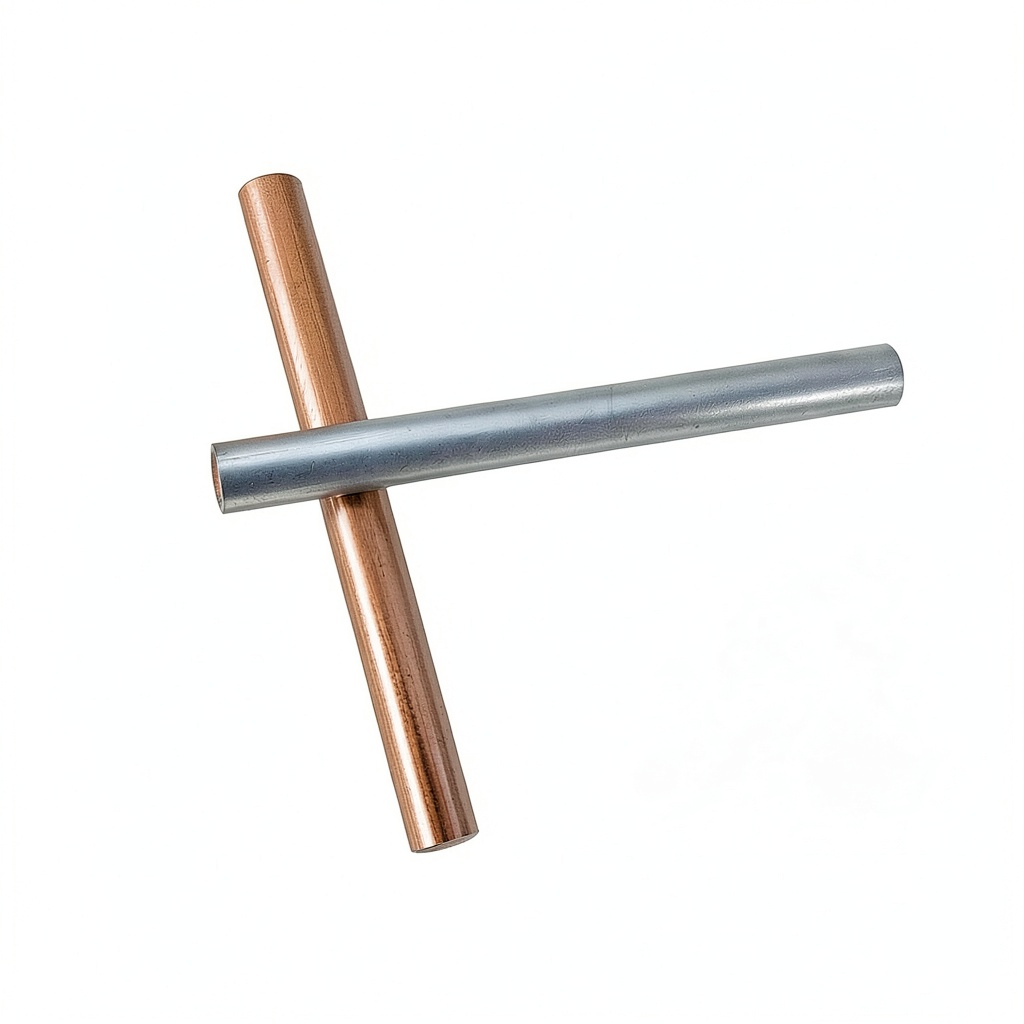
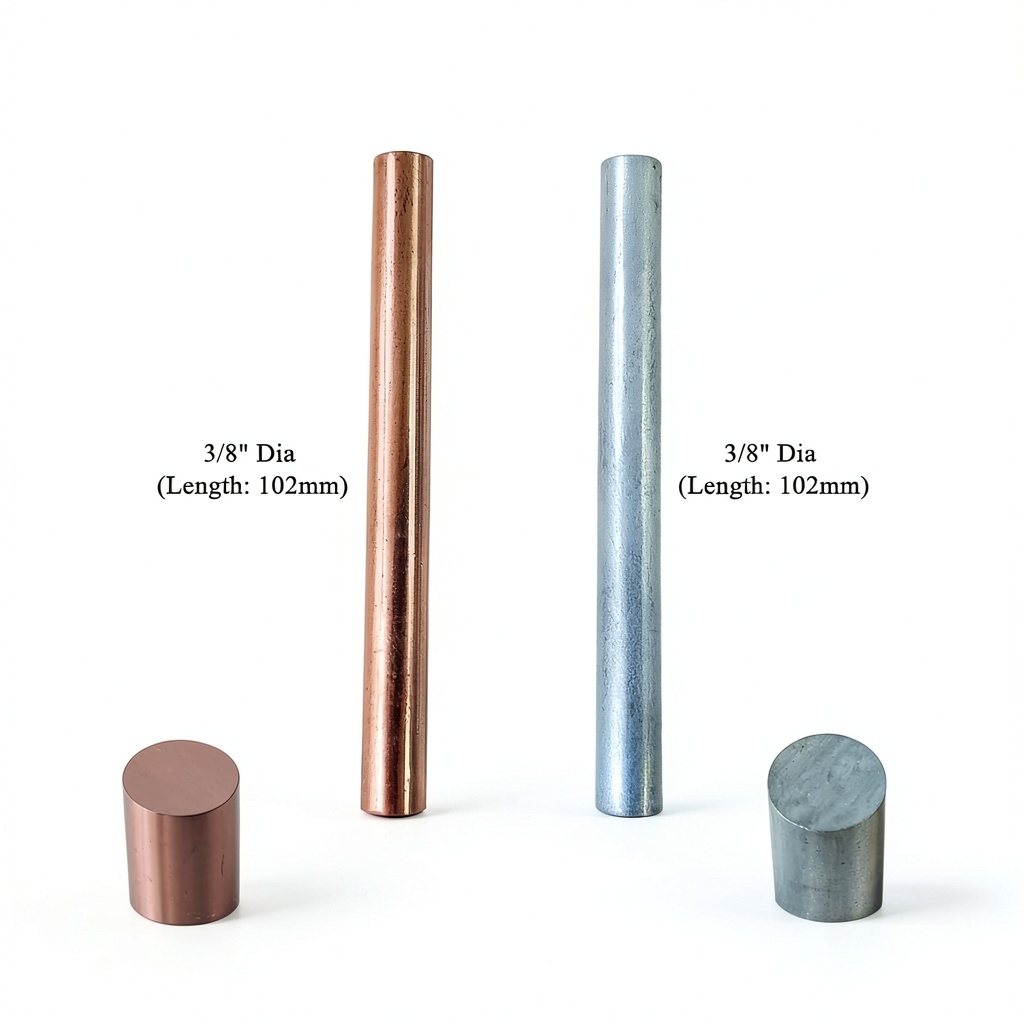
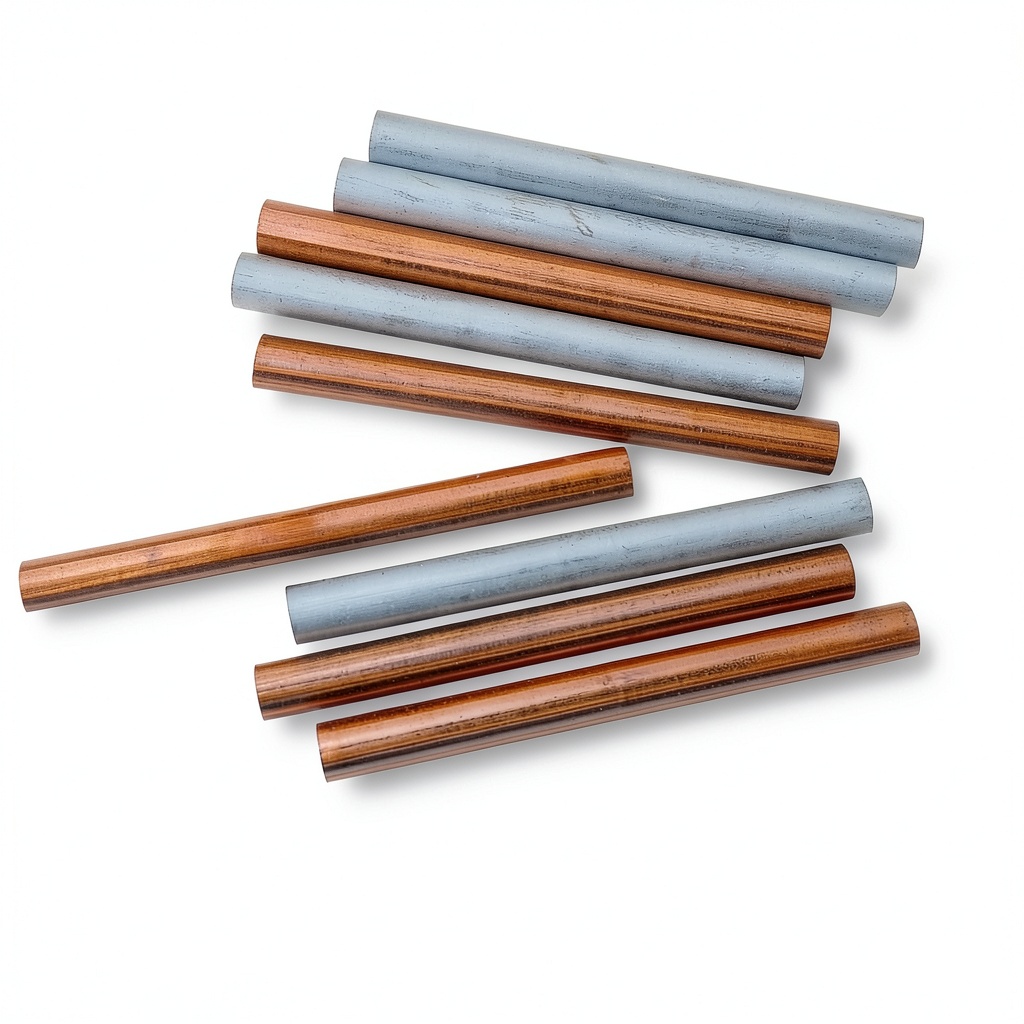
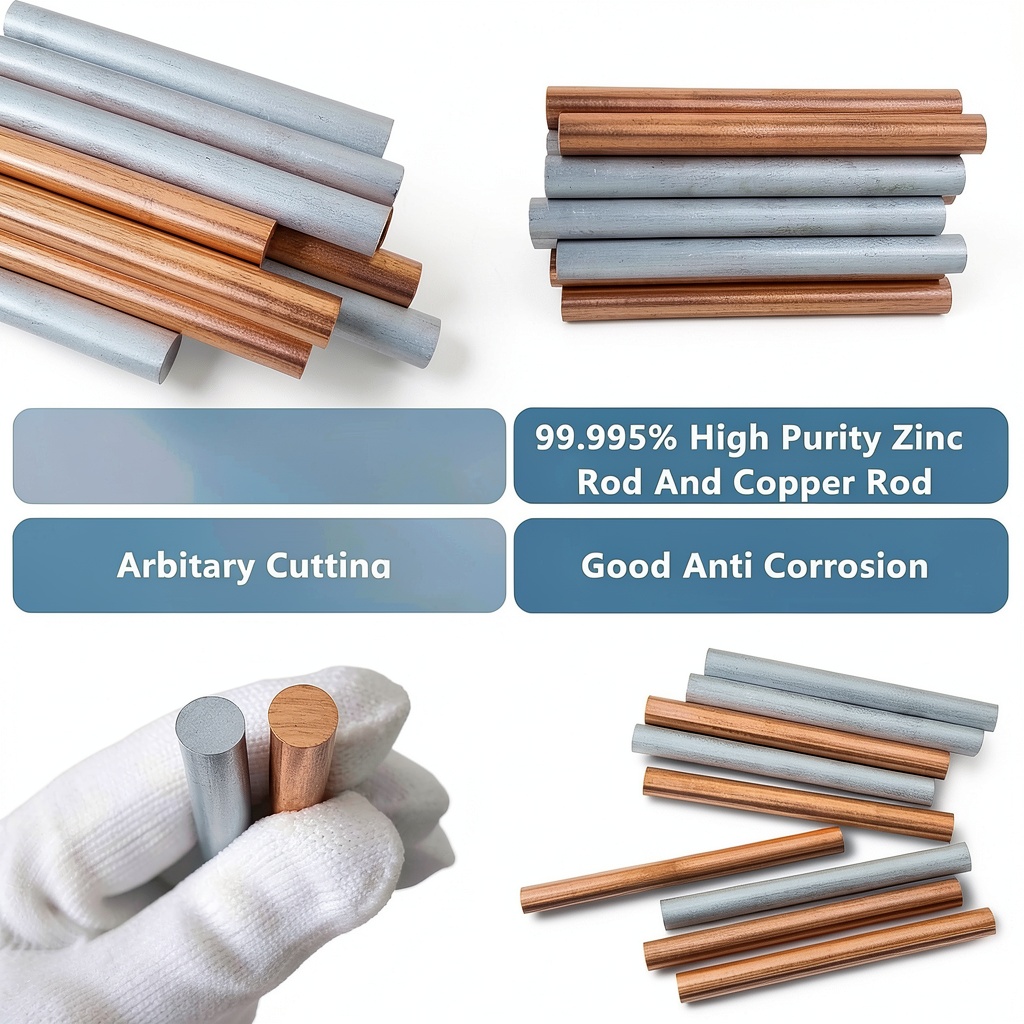
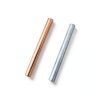
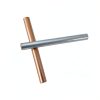
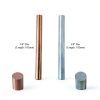
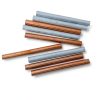
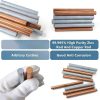
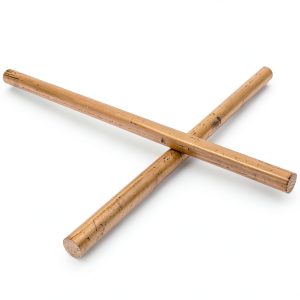
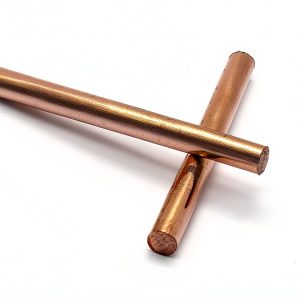
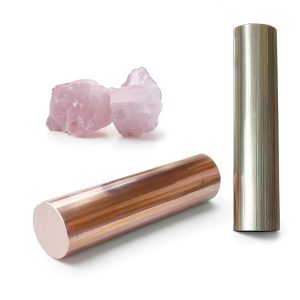
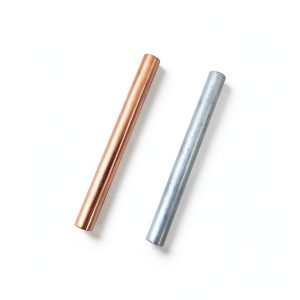
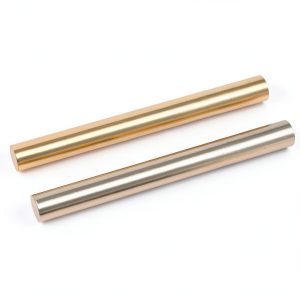
HWYEE’s 2‑piece pure metal rod set delivers a reliable source of high‑purity copper and zinc for a wide range of scientific, educational, and creative projects. Each package contains a single copper rod with a measured purity of 99.98 % and a zinc rod refined to 99.995 % purity, both fabricated from solid bar stock without any alloying contaminants. The rods share an identical geometry of 3/8 inch (10 mm) diameter and a length of 4 inch (102 mm), providing a convenient size that balances ease of handling with sufficient material volume for practical experiments. Designed for users who demand consistency and performance, the set is presented in a compact, protective packaging that safeguards the metal surfaces from accidental scratches during transport. Whether you are a laboratory instructor, a hobbyist metalworker, or a student exploring basic conductivity, these rods serve as a versatile foundation for precise, repeatable results.
![[Product front view showing all components]](https://www.wayfarerco.store/wp-content/uploads/2026/07/7d867efcf9f148ab8c861098843b86db.jpg)
Usage
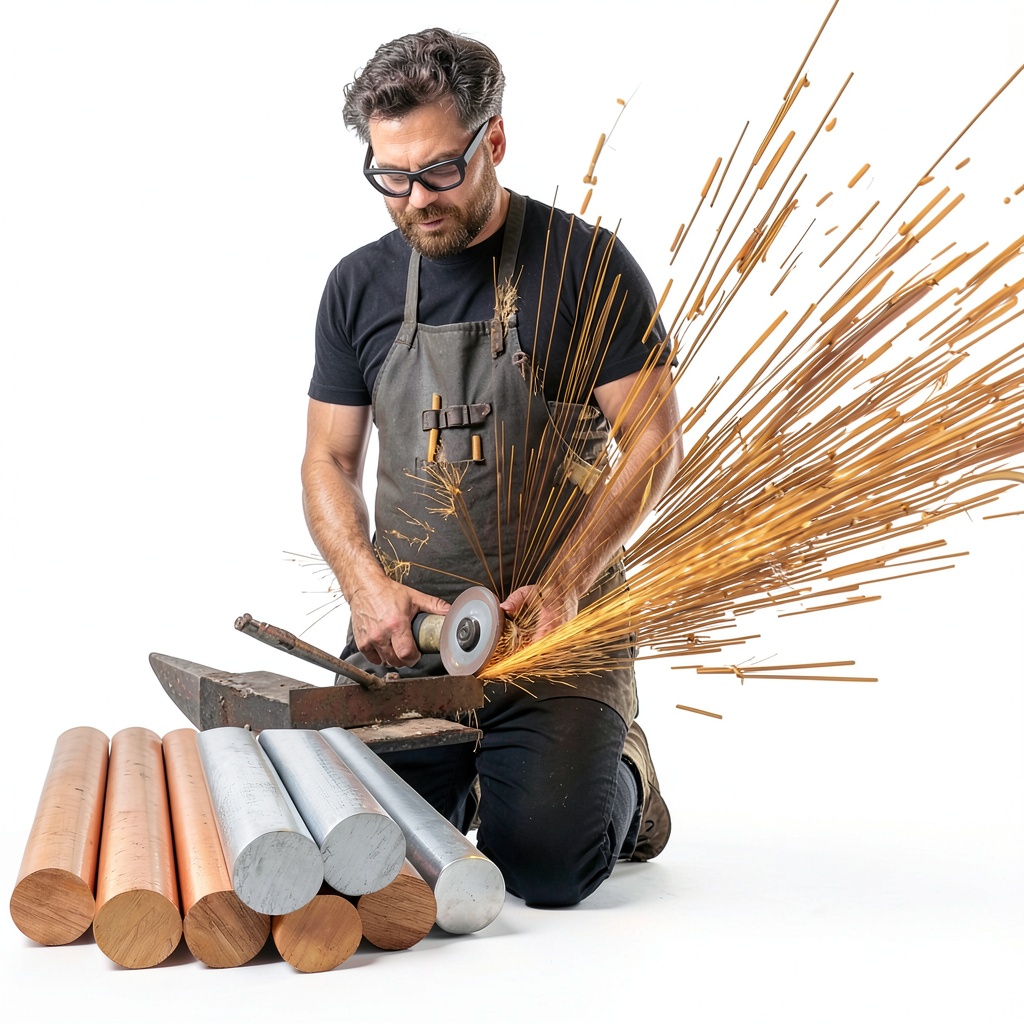
The copper rod’s 99.98 % purity ensures excellent electrical conductivity, closely matching the theoretical conductivity of pure copper, which is essential for low‑resistance circuit prototypes and electromagnetic experiments. Meanwhile, the zinc rod’s 99.995 % purity provides a stable, corrosion‑resistant material that is ideal for galvanic cell construction, alloy testing, and chemical reaction demonstrations. Both metals exhibit a natural metallic luster that not only conveys a professional appearance but also indicates the absence of surface oxidation at the time of delivery. By maintaining such high levels of elemental purity, the rods minimize the risk of contaminant‑induced variability, allowing researchers and makers to attribute observed phenomena directly to the intended variables rather than hidden impurities. The 4‑inch length offers a practical balance: it is long enough to be easily gripped with standard pliers or a bench vise, yet short enough to fit within most laboratory trays, hobby workbenches, and educational kits. The 10 mm diameter provides sufficient cross‑sectional area to withstand moderate mechanical loads while still being thin enough for precise cutting, drilling, or machining with common hand tools. Users can safely perform operations such as filing, sanding, or laser engraving without risking excessive material loss. Additionally, the uniform size of the copper and zinc rods simplifies comparative testing, allowing side‑by‑side measurements of conductivity, thermal expansion, or corrosion rates under identical geometric conditions.
Why Choose Us
HWYEE employs a precision extrusion process followed by a controlled annealing cycle to achieve the exact 3/8 inch diameter tolerance of ±0.02 inch, ensuring that each rod conforms to the specified dimensions without warping or internal stress. After forming, the bars undergo a rigorous ultrasonic cleaning and a final visual inspection under magnification to detect any surface defects, inclusions, or dimensional deviations. Only rods that pass a 100 % inspection protocol receive the HWYEE certification stamp, guaranteeing that every customer receives a product that meets the advertised specifications. This systematic approach to manufacturing not only enhances the mechanical integrity of the rods but also contributes to a consistent performance profile across multiple batches. Furthermore, the process includes a final passivation step that forms a thin protective oxide layer on the copper surface, enhancing its resistance to minor atmospheric exposure without affecting conductivity. To preserve the pristine condition of the rods, HWYEE recommends rewrapping any unused pieces in a breathable fiber film and storing them in a dry, temperature‑controlled environment away from direct sunlight and corrosive vapors. This protective method prevents oxidation, especially for the zinc rod, which is more susceptible to atmospheric moisture. For long‑term archival storage, placing the wrapped rods in a sealed, low‑humidity container further extends their shelf life, ensuring that the material properties remain unchanged for future projects. In secondary school physics and chemistry curricula, these rods are frequently employed to illustrate fundamental concepts such as Ohm’s law, galvanic corrosion, and alloy formation. The copper rod can be integrated into simple circuit boards to demonstrate voltage drop and current flow, while the zinc rod serves as the anode in a classic Daniel cell, allowing students to observe voltage generation from chemical reactions. Because the dimensions are standardized, educators can design repeatable lab worksheets where each student receives an identical set, facilitating fair assessment and data comparison across the class. The high purity of the metals also ensures that experimental results are not skewed by impurity‑driven anomalies, fostering a deeper understanding of material science principles. Craft enthusiasts appreciate the rods for their ability to be transformed into custom jewelry components, miniature sculptures, or functional hardware such as pins, hinges, and decorative fasteners. The copper’s warm hue and excellent workability make it suitable for hand‑hammered art pieces, while the zinc’s slightly lower melting point allows hobbyists to experiment with low‑temperature casting techniques using inexpensive molds. Moreover, the rods can be incorporated into Arduino or Raspberry Pi projects as conductive leads, antenna elements, or heat sinks, providing a reliable metal substrate that tolerates soldering and repeated thermal cycling. The compact packaging ensures that makers can keep a small inventory of high‑quality metal stock without occupying excessive workspace. For professional technicians, the rods function as reference standards when calibrating multimeters, testing continuity, or verifying the performance of soldering irons. The copper rod’s low resistivity makes it an ideal benchmark for measuring the resistance of unknown conductors, while the zinc rod’s distinct electrochemical potential is valuable for checking the accuracy of corrosion rate meters. In small‑scale metallurgical experiments, the two metals can be combined to produce brass alloys of varying composition, enabling users to study phase diagrams, hardness variations, and tensile strength differences. The consistent geometry simplifies the calculation of alloy ratios, reducing the need for complex weighing procedures. Compared with generic metal bars sourced from bulk suppliers, HWYEE’s rods offer superior purity verification, tighter dimensional tolerances, and a dedicated quality assurance process that many low‑cost alternatives lack. While some competitors provide similar size specifications, they often omit detailed purity percentages, leaving users uncertain about the material’s electrical or chemical behavior. The inclusion of both copper and zinc in a single package also eliminates the need to purchase separate items, saving time and reducing inventory complexity. Additionally, the brand’s reputation for responsive customer service provides an added layer of confidence for institutions that require reliable, traceable components for accredited testing. HWYEE stands behind each product with a 30‑day satisfaction guarantee and a responsive technical support team that can assist with material selection, usage tips, or troubleshooting unexpected performance issues. Should a customer receive a rod that does not meet the advertised specifications, the company offers a straightforward replacement process, including prepaid return shipping and a full refund if the issue cannot be resolved. This commitment to after‑sales service underscores the brand’s dedication to fostering long‑term relationships with educators, engineers, and makers who rely on consistent material quality for their critical projects. The manufacturing process for these rods emphasizes energy efficiency and waste minimization, with scrap metal being recycled back into the production line whenever possible. By delivering high‑purity metal in a compact, lightweight package, HWYEE reduces the carbon footprint associated with transportation compared to bulk shipments of lower‑grade material. The use of recyclable fiber film for storage further aligns with environmentally conscious practices, allowing users to dispose of or repurpose the packaging without contributing to landfill waste. Customers seeking sustainable sourcing can therefore feel confident that their purchase supports responsible metal production.
Key Features
- High purity (99.98% Cu, 99.995% Zn) ensures reliable electrical and chemical performance.
- Uniform 3/8″ × 4″ size simplifies handling, measurement, and comparative testing.
- Certified quality control guarantees dimensional accuracy and surface integrity.
- Versatile for labs, education, DIY crafts, and electronics prototyping.
- Dedicated customer support and 30‑day guarantee provide confidence and assistance.
FAQ
Can I use these rods for soldering projects?
Yes, both the copper and zinc rods can be safely soldered using standard lead‑free solder. The copper rod’s high conductivity makes it ideal for creating strong electrical joints, while the zinc rod can be used where a lower melting point is advantageous. Always ensure proper ventilation and follow safety guidelines when soldering.
How should I store the rods to prevent oxidation?
Rewrap any unused rods in a breathable fiber film and keep them in a dry, temperature‑controlled container. Adding a desiccant packet inside the storage box further reduces moisture, especially important for the zinc rod, which is more prone to oxidation.
What is the difference between the copper and zinc rods in terms of conductivity?
Copper has a much higher electrical conductivity than zinc, making it the preferred choice for low‑resistance pathways and high‑frequency applications. Zinc’s conductivity is lower, but its stable electrochemical potential makes it valuable for galvanic cell experiments and as a reference electrode in corrosion studies.




























































































Reviews
There are no reviews yet.